Microneedling: Benefits, Recovery, and What to Expect
Microneedling: Benefits, Recovery, and What to Expect
Microneedling is a minimally invasive aesthetic procedure that uses fine, sterile needles to create controlled micro-injuries in the skin. This process stimulates the skin’s natural healing response, encouraging collagen and elastin production that may help improve overall skin quality. It is commonly performed by qualified medical professionals to address concerns such as acne scars, enlarged pores, uneven skin texture, and fine lines.
Because every individual’s skin is different, a professional consultation is essential to determine whether the treatment is suitable and to develop a personalised treatment plan.
How Microneedling Works
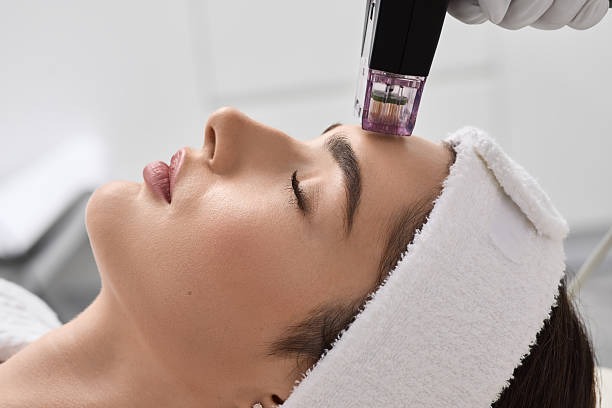
During the procedure, a specialised device creates tiny, controlled punctures in the skin’s surface. These micro-injuries activate the body’s natural repair mechanisms, which may gradually improve skin texture and firmness over time. The treatment can be performed on various areas of the face and body, depending on the individual’s skin concerns.
Individuals seeking information about microneedling can learn more about the procedure, expected recovery, and how it may be incorporated into a personalised aesthetic treatment plan.
Treatment recommendations should always be based on an individual clinical assessment.
Potential Benefits
Depending on the patient’s skin condition and treatment goals, microneedling may help improve:
- Acne scars and certain other superficial scars
- Fine lines and early signs of skin ageing
- Uneven skin texture
- Enlarged pores
- Overall skin firmness and appearance
The degree of improvement varies among individuals, and multiple treatment sessions may be recommended depending on the condition being treated.
Recovery and Aftercare
Following treatment, it is common to experience temporary redness, mild swelling, or skin sensitivity that generally improves over the following days. Patients are typically advised to keep the skin clean, avoid harsh skincare products, and use sun protection while the skin heals.
Following the aftercare instructions provided by the treating practitioner helps support the recovery process and minimise unnecessary irritation.
Is Microneedling Right for You?
Not everyone is a suitable candidate for microneedling. A consultation with a qualified medical practitioner allows the skin to be evaluated, medical history to be reviewed, and any potential risks or contraindications to be identified before treatment begins.
An individualised assessment helps ensure that the selected treatment is appropriate for the patient’s skin type and aesthetic goals.
Conclusion
Microneedling is a minimally invasive procedure that may improve skin texture, acne scars, fine lines, and overall skin quality by stimulating the skin’s natural healing response. A professional consultation, personalised treatment plan, and proper aftercare are important for achieving appropriate outcomes. As with any medical aesthetic procedure, results vary between individuals, and treatment suitability should be determined by a qualified healthcare professional.